Inflammation is one of the body's most important defense mechanisms. When you get a cut, catch a virus, or injure a muscle, your immune system creates inflammation to help your body heal. This short-term response is healthy and necessary.
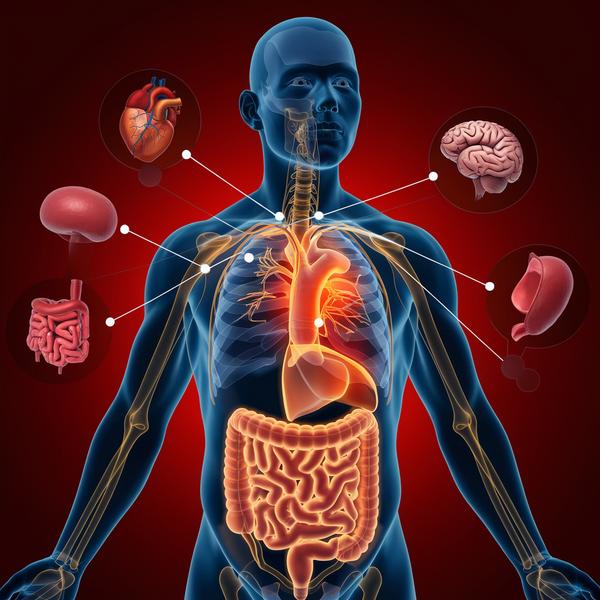
However, when inflammation continues for weeks, months, or even years, it becomes chronic inflammation—a hidden condition that can silently contribute to many serious illnesses, including heart disease, diabetes, arthritis, digestive disorders, autoimmune diseases, and even depression.
At QuCiL Health™, we believe preventive healthcare starts with understanding what is happening inside your body. If you live in Katy, Texas, learning how to recognize and manage chronic inflammation can help protect your long-term health and improve your quality of life.
What Is Inflammation?
Inflammation is your immune system's response to injury, infection, or harmful substances. It helps remove damaged cells and begins the healing process.
Acute Inflammation
- Begins quickly after an injury or infection.
- Usually lasts a few days.
- Helps your body recover.
Chronic Inflammation
- Develops slowly.
- Can last months or years.
- May damage healthy tissues over time.
Unlike acute inflammation, chronic inflammation often has no obvious symptoms until it begins affecting your health.
Signs Your Body May Be Experiencing Chronic Inflammation
Many people experience symptoms without realizing inflammation may be involved.
- Persistent fatigue.
- Joint pain or stiffness.
- Frequent headaches.
- Bloating or digestive discomfort.
- Skin irritation.
- Brain fog or difficulty concentrating.
- Difficulty losing weight.
- Sleep disturbances.
If these symptoms continue for several weeks, it may be time to speak with a healthcare provider.
How Chronic Inflammation Affects Your Health
1. Heart Disease
Inflammation can damage blood vessels and contribute to plaque buildup, increasing the risk of heart attack and stroke.
2. Type 2 Diabetes
Long-term inflammation can interfere with insulin function and blood sugar regulation.
3. Arthritis
Inflammation inside joints causes swelling, stiffness, and chronic pain.
4. Digestive Disorders
Conditions like GERD, inflammatory bowel disease (IBD), and Crohn's disease are linked to inflammation in the digestive tract.
5. Mental Health
Growing research suggests chronic inflammation may contribute to depression, anxiety, and cognitive changes by affecting brain function.
Common Causes of Chronic Inflammation
- Poor nutrition.
- Excess sugar and processed foods.
- Smoking.
- Chronic stress.
- Lack of exercise.
- Poor sleep quality.
- Obesity.
- Certain infections and autoimmune conditions.
Many of these risk factors can be improved through lifestyle changes and personalized medical care.
Foods That Help Reduce Inflammation Naturally
An anti-inflammatory eating pattern supports overall wellness.
Eat More:
- Leafy green vegetables.
- Berries.
- Salmon and other omega-3 rich fish.
- Olive oil.
- Avocados.
- Nuts and seeds.
- Beans and lentils.
- Turmeric and ginger.
Limit:
- Sugary beverages.
- Highly processed snacks.
- Fried foods.
- Excess alcohol.
- Processed meats.
Lifestyle Habits That Lower Inflammation
Stay Physically Active
Aim for at least 150 minutes of moderate exercise each week.
Prioritize Sleep
Adults generally benefit from 7–9 hours of quality sleep every night.
Manage Stress
Mindfulness, breathing exercises, counseling, and regular physical activity can help reduce chronic stress.
Maintain a Healthy Weight
Excess body fat, especially around the abdomen, is associated with increased inflammatory activity.
When Should You See a Healthcare Provider?
Seek medical evaluation if you experience:
- Persistent fatigue.
- Ongoing digestive issues.
- Chronic joint pain.
- Unexplained weight changes.
- Frequent inflammation-related symptoms.
Early evaluation may help identify underlying conditions before complications develop.
How QuCiL Health™ Supports Whole-Person Wellness
At QuCiL Health™, we focus on identifying risk factors early and creating personalized wellness plans that support long-term health.
Our team provides care that may include:
- Preventive primary care.
- Chronic disease management.
- Mental wellness support.
- Digestive health evaluations.
- Weight management programs.
- Personalized wellness planning.
We believe treating the whole person—not just symptoms—is essential for healthier living.
Why Prevention Matters
Chronic inflammation often develops quietly, making prevention especially important. Healthy nutrition, regular movement, stress management, quality sleep, and routine healthcare visits can help reduce your risk of many chronic illnesses.
Small lifestyle improvements today can lead to significant health benefits tomorrow.
Visit QuCiL Health™ in Katy, Texas
If you're looking for compassionate preventive care and personalized wellness services in the Katy area, QuCiL Health™ is here to help you take proactive steps toward better health.
QuCiL Health™
3107 Elrod Rd, Suite G
Katy, TX 77494
Frequently Asked Questions
Can chronic inflammation be reversed?
In many cases, chronic inflammation can be reduced through healthy lifestyle changes and appropriate medical treatment, depending on the underlying cause.
What tests help identify inflammation?
Your healthcare provider may recommend blood tests and other evaluations based on your symptoms and medical history.
Does inflammation always cause pain?
No. Chronic inflammation can exist without noticeable pain while still affecting organs and overall health.
Can stress increase inflammation?
Yes. Long-term stress can increase inflammatory activity in the body and may contribute to both physical and mental health conditions.
This article is for educational purposes only and should not replace personalized medical advice, diagnosis, or treatment from a qualified healthcare professional.


Community Discussion 0
Privacy Notice
Please DO NOT share: Personal health information or contact details.
Comments are moderated to protect patient privacy.
Share Your Thoughts
No comments yet. Be the first to share your thoughts!