Serving Brookshire, TX and surrounding areas
(832) 930-9797
Mental Health & Wellness

Support for Emotional Wellness & Advanced Treatment

At QuCiL Health™, we understand that mental health is the foundation of overall well-being. Our comprehensive mental health & wellness services for adults 18 and older combine evidence-based general mental health care with advanced treatment options including Spravato® therapy for treatment-resistant depression. We provide a safe, compassionate environment where you can find hope, healing, and the support you deserve.

Mental Health and Wellness Services
Comprehensive Care

General Mental Health Services

Evidence-based care for adults navigating depression, anxiety, and emotional wellness challenges. We provide a supportive environment where you can find the help you need.

At QuCiL Health™, we provide structured, evidence-based care for adults navigating mental health challenges. Our unique internal medicine framework allows us to address the critical intersection of physical and brain health, ensuring a truly comprehensive approach to emotional wellness that considers your complete health picture.

Depression Treatment

Targeted treatment plans that stabilize mood, restore energy, and help you rediscover joy in daily life through evidence-based medication management and supportive care.

Anxiety Management

Medical-led strategies to reduce worry, manage physical symptoms, and enhance your quality of life through personalized treatment approaches.

Treatment-Resistant Depression

When traditional antidepressants haven't provided adequate relief, we offer comprehensive evaluation for advanced interventional therapies, including Spravato® (esketamine) nasal spray, providing new hope for those who have struggled to find effective treatment.

Specialized Referrals

For complex psychiatric conditions—including schizophrenia, bipolar disorder, or severe mood disorders—we ensure you receive the most appropriate care by connecting you with trusted specialized psychiatry services. We coordinate closely with your care team for seamless transitions.

We specialize in treating depression, anxiety disorders, and treatment-resistant depression in adults 18 and older. Our integrated approach addresses both the psychological and physiological aspects of mental health, ensuring comprehensive care that considers your complete well-being and personal treatment goals.

Your initial consultation includes a comprehensive evaluation of your mental health history, current symptoms, lifestyle factors, and treatment goals. We take time to understand your unique situation and develop a personalized care plan that may include medication management, lifestyle recommendations, and coordination with therapists or other specialists as needed.

Our focus is on medical management of mental health conditions, including medication evaluation and ongoing monitoring. We maintain strong collaborative relationships with therapists and counselors in the Brookshire community and can provide referrals to trusted professionals who can complement your treatment with psychotherapy and counseling support.

Mental Health Guide for Cancer Patients and Families

A cancer diagnosis can be mentally and emotionally difficult for both the patient and everyone in their family. Taking care of your mental health is extremely important – even more so when you or someone you love is battling cancer.

It is not unusual for cancer patients, their families, and caregivers to feel anxiety, depression, or distress after a diagnosis. The good news is that depression and anxiety in cancer patients can be treated in many cases.

“Even though a person with depression may also have cancer, it does not mean their depression is any less treatable.”

— Mental Health America

Statistics about mental health and cancer:

  • It's estimated that as many as 3 in 10 people receiving cancer treatments in hospitals are affected by a common mental illness.
  • Cancer patients are thought to suffer from major depressive disorder at a rate three times higher than the general population.
  • As much as 24% of cancer patients also have depression.
  • Youth and young adults with cancer are at a greater risk for mental health conditions than adult patients.

Cancer patients suffering from depression or other mental health conditions may benefit from therapy, medications, and other treatments. If you're struggling with cancer and a mental illness, ask your doctor about treatment options.

Get immediate help: Call the 988 Suicide & Crisis Lifeline by dialing 988 to speak with a trained crisis worker. The 988 Lifeline is free, confidential, and available 24/7.

One of the most effective options for treating any type of mental illness is counseling or therapy. Several types of therapy can be used, including:

  • Talk therapy – one‑on‑one sessions with a licensed therapist.
  • Family counseling – helps family members communicate and support each other.
  • Group therapy – allows patients to share experiences with others in similar situations.

Many cancer care centers have on‑staff psychiatrists, psychologists, and social workers who can provide support and coping techniques. You can also search for cancer therapists in your area who specialize in cancer‑related anxiety, depression, grief, and trauma.

Tip: Psychology Today offers an online search tool that you can use to look for mental health professionals by city or ZIP code.

For those who prefer online help, telehealth services allow you to access support from the comfort of your own home.

Yes. Cancer patients and survivors may benefit from taking medications to treat mental health conditions like anxiety and depression. Antidepressant and antianxiety medications can help ease emotional symptoms related to a cancer diagnosis.

Did You Know?
Researchers are finding that mental health treatment can improve survival rates for cancer patients. Those who got treatment and experienced fewer symptoms of depression had longer survival times on average than those with more symptoms, according to a Mental Health America study.

Support groups give people a chance to share their experiences with others who can understand and relate to them. Many groups are available online, allowing busy people or those who wish to remain anonymous to access peer support.

Cancer support groups include:

  • CancerCare – free support groups hosted by oncology social workers.
  • Cancer Support Community – a free online cancer community with more than 25,000 members.
  • Cancer Survivors Network (CSN) – sponsored by the American Cancer Society (ACS); offers cancer‑specific groups and discussion boards for military survivors, LGBTQ+ individuals, young people, and other communities.

If you prefer in‑person support groups, ask your oncology social worker or search the internet for local options. Most hospitals and cancer centers also host their own support groups.

Many organizations provide support to anyone living with a mental health condition, including cancer patients, survivors, and their family members.

  • Anxiety and Depression Association of America – helping people with anxiety, depression, and other disorders for over 40 years.
  • Mental Health America – offers a free mental health screening test, webinars, and information on mental health disorders and suicide prevention.
  • National Alliance on Mental Illness (NAMI) – access mental health resources on their website.
  • National Institute of Mental Health (NIMH) – government organization with information on anxiety disorders, depression, PTSD, and other topics.
  • American Cancer Society – emotional, mental health, and mood changes page with tools to manage and measure cancer‑related distress.

Yes. Many different types of resources can boost the mental health of cancer patients. These are easy to access, portable, and can be enjoyed whenever you have free time.

  • Anxiety Slayer – a podcast for anyone struggling with anxiety, panic attacks, and stress. Recent episodes cover calming your mind before a medical procedure.
  • Calm – a free app with meditation, breathing, and mindfulness tools.
  • Cancer Out Loud: The CancerCare Podcast – features conversations with cancer patients, survivors, and caregivers.
  • We Can Do Hard Things – author Glennon Doyle and Abby Wambach discuss doing difficult things like caretaking, overcoming addiction, and self‑love. A recent episode featured poet Andrea Gibson, who is receiving treatment for ovarian cancer.

Search the internet for apps, books, podcasts, and other support resources that speak to you. Consider asking members of your support group for their personal recommendations.

Caregivers: The Family Caregiver Alliance is dedicated to improving quality of life for family caregivers through information and support groups. The ACS also offers a downloadable Caregiver Resource Guide.

LGBTQ+ Individuals: The National LGBT Cancer Network provides support resources and holds online peer‑support groups. National LGBT Cancer Project and Outpatients also run peer support meetings.

Veterans: The U.S. Department of Veterans Affairs (VA) offers the VA Treatment Locator for mental health services. The VA's Center for Women Veterans focuses on the needs of female veterans, including mental health.

Youth: Livestrong has support resources for young adults with cancer. CancerCare offers Kids Talk: Children's Support Group online for children ages 8‑11. The American Childhood Cancer Organization (ACCO) provides free medical play kits, a digital library, and other resources specifically for children with cancer and their families.

The Centers for Disease Control and Prevention (CDC) offers these 5 tips:

  1. Encourage them to talk about their feelings with you and other loved ones.
  2. Help them find financial resources to pay for treatment if money is a concern.
  3. Keep them active – physical activity can reduce the risk of depression.
  4. Persuade them to join a support group.
  5. See if their doctor will refer them to mental health support services.

How does cancer affect you emotionally? Not only does cancer affect a person's body, but it can cause a flood of emotions like anger, fear, and sadness. Cancer patients can cope with their emotions by expressing their feelings, not blaming themselves, and finding ways to relax and do things they enjoy.

Crisis support: If you or a loved one is in immediate distress, call the 988 Suicide & Crisis Lifeline (dial 988) – available 24/7, free and confidential.
General Mental Health Services
Advanced Treatment

Spravato® (Esketamine) Therapy

FDA-approved nasal spray for Treatment-Resistant Depression and Major Depressive Disorder with suicidal thoughts. A breakthrough option when traditional treatments haven't worked.

SPRAVATO® is specifically designed for adults with:
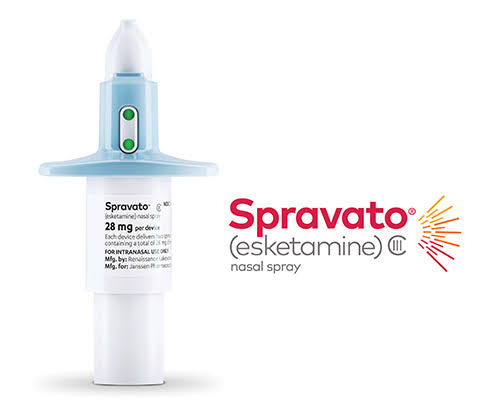
Treatment-Resistant Depression (TRD): For individuals who have not achieved adequate relief after trying at least two different antidepressant therapies. Spravato® offers a new mechanism of action that can provide relief when other medications haven't worked.
Major Depressive Disorder with Suicidal Thoughts: A fast-acting option for those experiencing severe depressive symptoms with acute suicidal ideation or behavior, providing rapid relief during critical periods.
Spravato Treatment

Rapid Relief When You Need It Most

Unlike conventional antidepressants that may take weeks or even months to show meaningful results, SPRAVATO® has demonstrated rapid improvements in depressive symptoms, often within 24 hours of the first treatment. For those suffering from severe depression, this rapid action can be life-changing.

At QuCiL Health™ in Brookshire, Texas, we offer this groundbreaking treatment under the expert care of Shirley Amanfo, FNP-C, a REMS-certified provider. We provide a comfortable, monitored environment where you can receive treatment safely and with dignity.

FDA-Approved

Insurance-Covered

Fast-Acting

Medical professional administering Spravato treatment

How SPRAVATO® Works

SPRAVATO® takes a novel approach to managing depression by targeting N-methyl-D-aspartate (NMDA) receptors in the brain, offering fast-acting relief through a completely different mechanism than traditional antidepressants that work on serotonin, norepinephrine, or dopamine systems.

Treatment is administered under medical supervision in our comfortable Brookshire clinic. Each session involves self-administration of the nasal spray followed by a two-hour monitoring period to ensure your safety and comfort. Our team is with you throughout the entire process, providing support and monitoring.

Spravato treatment room

Spravato® Frequently Asked Questions

Inform your provider about all medical conditions, especially heart or brain vascular disease, history of aneurysm, liver problems, or history of substance abuse or psychosis. Also disclose all medications you're taking, and tell your provider if you are pregnant, planning to become pregnant, or breastfeeding.

SPRAVATO® is FDA-approved specifically for depression with standardized dosing protocols and established safety monitoring requirements. IV ketamine is used off-label with varying protocols and is not FDA-approved for depression. SPRAVATO® is self-administered as a nasal spray under medical supervision in a certified treatment center.

No, you cannot drive or operate heavy machinery for the rest of the day after treatment. SPRAVATO® can cause sedation, dissociation, and dizziness that may last several hours. You must arrange for a responsible adult to provide transportation home following each treatment session. We recommend planning for rest after your appointment.
Your Journey

4-Step Spravato Treatment Journey

Your path to mental wellness starts here with our structured, supportive treatment approach

1

Initial Consultation & Evaluation

Our comprehensive evaluation determines your eligibility for Spravato® treatment. We review your medical history, previous treatments, current medications, and discuss your goals to create a personalized care plan.

2

Session Scheduling & Administration

Once approved, we schedule your treatment sessions at convenient times. Each session includes self-administration of Spravato® under our supervision, followed by a comfortable two-hour monitoring period in our calming treatment room.

3

Tailored Treatment Plan

Your treatment begins with an induction phase (twice-weekly sessions for 4 weeks), then transitions to a maintenance phase (weekly sessions for 4 weeks), customized to your response and mental health goals.

4

Ongoing Support & Monitoring

Our team remains by your side throughout your journey, providing regular follow-ups to monitor your progress, adjust treatment as needed, and coordinate with your referring providers for comprehensive care.

Treatment Phases

Spravato® Treatment Timeline

INDUCTION PHASE

Week 1–4

2 Treatments per Week

Initial intensive phase to build therapeutic effect and establish a foundation for symptom relief and mood stabilization.

MAINTENANCE PHASE

Week 5–8

1 Treatment per Week

Consolidation phase to maintain progress, stabilize mood improvements, and prepare for long-term maintenance.

ONGOING CARE

Week 9+

Individualized Schedule

Long-term maintenance with treatments every 1–2 weeks based on your individual response and ongoing needs.

Ready to Start Your Journey to Mental Wellness?

Take the first step toward relief from depression and anxiety. Our compassionate team is here to support you every step of the way. Contact us today to schedule your personalized consultation and discover the hope that effective treatment can bring.

Secure, confidential, HIPAA-compliant scheduling

Patient Stories

What Our Patients Say

Real experiences from people who found hope and healing with our care

"At this clinic, they make you feel like a person and not just the next number. Very cordial medical staff that shows genuine concern and care. The Nurse Practitioner was knowledgeable, understanding and truly listened to my concerns about my mental health."

M
Micky A.
Patient

"Mrs Shirley took the time to address all my questions and concerns about my anxiety treatment. The entire experience, from the moment I walked in, was fantastic. I finally feel like I have a provider who understands what I'm going through."

G
Gee B.
Patient

"I have never felt this understood after a doctor's visit! Thank you ma'am for listening and providing such compassionate care. I will follow all the instructions and guidelines you gave me. It's refreshing to find a provider who truly cares."

A
Ayo Ay1
Patient