
Many chronic diseases do not begin with obvious symptoms. In some cases, a person may feel healthy while changes are already developing in the body. This is one reason early detection and preventive healthcare are so important.
Regular health checkups, appropriate screenings, monitoring of risk factors, and timely medical attention can help identify potential health problems before they become more serious. Early awareness can also give patients and healthcare professionals more time to develop an appropriate care plan.
At QuCiL Health™ in Brookshire, Texas, preventive healthcare is an important part of supporting patients as they work toward better long-term health and wellness.
What Is Early Detection?
Early detection means identifying a disease, health condition, or important risk factor at an earlier stage, sometimes before noticeable symptoms appear.
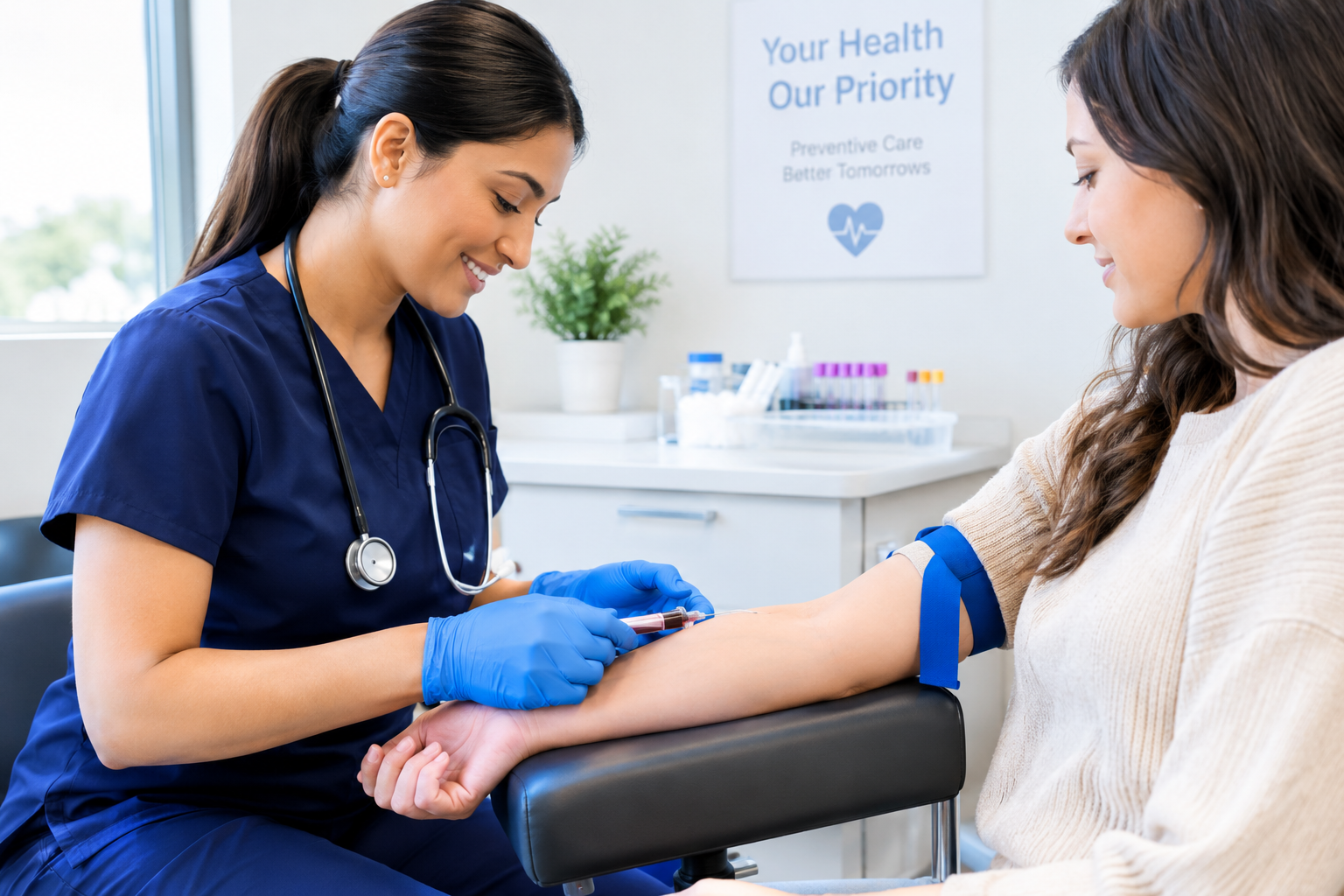
Depending on a person's age, health history, family history, and other risk factors, healthcare professionals may recommend different types of evaluations or screenings. These may include blood pressure checks, blood tests, cholesterol screening, diabetes screening, cancer screening, mental health assessments, and other appropriate evaluations.
The goal is not to perform every possible test on every person. Instead, preventive care should be personalized according to an individual's health needs and risk factors.
Why Early Detection Matters
Detecting a health problem early can provide an opportunity to address it before it progresses or causes additional complications. For some conditions, early treatment can make management easier and may reduce the risk of serious complications.
Early detection can also help patients understand their health more clearly. Instead of waiting until symptoms interfere with everyday life, patients can work with their healthcare provider to monitor important health indicators and make informed decisions.
Chronic Diseases That Benefit From Preventive Care
Chronic conditions can develop gradually and may require long-term management. Examples include:
- Type 2 diabetes
- High blood pressure
- High cholesterol
- Heart disease
- Chronic kidney disease
- Obesity
- Asthma and other chronic respiratory conditions
- Digestive disorders and inflammatory conditions
- Depression and other mental health conditions
Not every condition can be prevented, and early detection does not guarantee that a disease will never develop. However, identifying risk factors and health problems earlier can support timely evaluation, treatment, and ongoing monitoring.
Know Your Important Health Numbers
Some health conditions can remain unnoticed because they do not always cause clear symptoms. Keeping track of important health measurements can help you and your healthcare provider recognize changes over time.
Depending on your individual circumstances, these may include:
- Blood pressure
- Blood glucose or blood sugar levels
- Cholesterol levels
- Body weight and other relevant health measurements
- Kidney and liver function when medically appropriate
Your healthcare provider can explain which measurements are relevant to you and how frequently they should be checked.
Preventive Screenings Can Help Find Problems Earlier
Health screenings are another important part of preventive care. Screening recommendations vary based on factors such as age, sex, family history, personal health history, and individual risk.
Depending on your circumstances, your healthcare professional may discuss screenings for conditions such as diabetes, high cholesterol, certain cancers, or other health concerns.
Rather than relying on general recommendations found online, speak with a qualified healthcare professional about which screenings are appropriate for you.
Family History Can Reveal Important Risk Factors
Your family health history can provide useful information about your potential risk for certain conditions.
If close relatives have experienced conditions such as diabetes, heart disease, certain cancers, or other chronic illnesses, tell your healthcare provider. This information may help your provider determine which preventive measures or screenings deserve greater attention.
Lifestyle Changes Are Part of Prevention
Early detection is only one part of maintaining long-term health. Lifestyle habits also play an important role in reducing risk and supporting overall wellness.
Depending on your individual health needs, healthy habits may include:
- Eating a balanced and nutritious diet
- Being physically active on a regular basis
- Getting adequate sleep
- Managing stress
- Avoiding tobacco products
- Limiting alcohol consumption
- Maintaining recommended vaccinations
- Keeping regular healthcare appointments
Small, sustainable changes can become an important part of a long-term approach to health.
Don't Ignore Persistent or Unusual Symptoms
Preventive care does not replace medical attention when symptoms develop. If you notice a persistent or unusual change in your health, speak with a healthcare professional rather than waiting for your next routine appointment.
Symptoms such as unexplained changes in weight, persistent digestive problems, ongoing fatigue, changes in mood, unusual pain, changes in blood pressure, or other concerning symptoms may require professional evaluation.
The appropriate response depends on the symptom and the individual's medical history. Some symptoms may be minor, while others may require prompt attention.
Mental Health Is Part of Preventive Healthcare
Preventive healthcare should address more than physical health. Mental and emotional well-being are also important parts of overall health.
Depression, anxiety, prolonged stress, and other mental health concerns can affect daily functioning and overall quality of life. Recognizing changes early can make it easier to seek professional support and develop an appropriate treatment plan.
If you or someone you care about is experiencing persistent changes in mood, behavior, sleep, or daily functioning, consider discussing these concerns with a qualified healthcare professional.
How Regular Checkups Support Long-Term Health
A routine healthcare visit is an opportunity to discuss your current health, identify risk factors, review relevant screenings, and address concerns before they become more difficult to manage.
Regular visits can also help establish a health history that allows your healthcare provider to recognize meaningful changes over time.
Preventive care is particularly valuable when combined with open communication. Tell your healthcare provider about new symptoms, medications, lifestyle changes, family health history, and any concerns you may have.
Take a Proactive Approach to Your Health in Brookshire, TX
You do not have to wait until a health problem becomes severe before seeking professional care. Taking a proactive approach through appropriate screenings, regular checkups, healthy lifestyle habits, and timely evaluation can help you make informed decisions about your health.
QuCiL Health™ is located at 406 Summerset LN, Brookshire, Texas 77423, providing healthcare and wellness services designed to support patients' physical and mental well-being.
If you have concerns about your health or risk factors for chronic disease, speak with a qualified healthcare professional about the appropriate next steps for you.
Frequently Asked Questions
Can chronic diseases be prevented completely?
Not always. Some chronic diseases are influenced by genetics, age, environmental factors, and other factors that cannot be completely controlled. However, preventive care and healthy lifestyle choices can help reduce certain risks and support earlier detection and management.
How often should I have a health checkup?
The appropriate frequency depends on your age, health history, risk factors, existing conditions, and recommendations from your healthcare provider. Your provider can help establish a schedule that fits your individual needs.
Why is early detection important if I feel healthy?
Some health conditions may not cause noticeable symptoms during their early stages. Appropriate preventive screenings and routine healthcare visits can help identify certain problems or risk factors earlier.
Where can I get preventive healthcare in Brookshire, TX?
QuCiL Health™ is located at 406 Summerset LN, Brookshire, Texas 77423. Patients can speak with the healthcare team about their individual preventive care and wellness needs.
Final Thoughts
Your health should not only be addressed when something goes wrong. Early detection, preventive screenings, healthy habits, and regular healthcare visits can all contribute to a proactive approach to long-term wellness.
If you are due for a checkup or have concerns about a potential health problem, consider speaking with a qualified healthcare professional. Early conversations can be an important step toward understanding your health and making informed decisions about your care.

Community Discussion 0
Privacy Notice
Please DO NOT share: Personal health information or contact details.
Comments are moderated to protect patient privacy.
Share Your Thoughts
No comments yet. Be the first to share your thoughts!