Happy Health Literacy Month! September is officially wrapped, October is here, and we’re officially calling out the noise. At QuCiL Health™, we’re using this entire month to clear up the confusion, skip the fluff, and give you real, science-backed facts about your health that actually make sense.
In the era of "Dr. Google" and 30-second wellness hacks taking over your feed, staying informed is hard. You might get a "normal" lab result back, yet still feel totally exhausted. Or you might see people popping massive supplement doses on TikTok and wonder if you’re missing out.
Here’s the tea: true health literacy isn’t about memorizing medical textbooks. It’s about learning how your body communicates, connecting the dots in your lab work, and partnering with your care team to make smart moves. Let’s break down 4 major health areas where subtle clues mean everything.
What Does the Evidence Say?
Science shows that standard, "in-range" lab results don’t always tell the whole story. Your body is an interconnected network, and silent shifts often happen long before a basic lab test flags a problem.
Here is what the evidence actually reveals across four key areas:
The Metabolic Story
A normal A1c or fasting glucose test is awesome, but in early insulin resistance, your body might just be pumping out extra insulin to keep those numbers looking normal.
Physical signs—like acanthosis nigricans (darkened, velvety skin folds around the neck or underarms)—plus lab trends like high triglycerides, low HDL, or a larger waist size, often point to metabolic changes way before A1c moves.
Low Iron vs. Anemia
Iron deficiency and anemia are not the same thing! Your body’s stored iron (ferritin) can drop to empty—triggering fatigue, low stamina, and brain fog—while your hemoglobin on a basic blood count looks totally fine.
Medication Interferences
Common medications can secretly drain key nutrients. For example, long-term use of Metformin (a primary med for diabetes and PCOS) can lower your Vitamin B12 absorption, leading to nerve tingling, balance issues, and brain fog long before anemia shows up.
Nuanced Diagnostics
Health tools have specific jobs—they aren’t one-size-fits-all. A breast ultrasound or MRI serves a completely different purpose than a screening mammogram. Similarly, taking a high dose of a single supplement isn’t a shortcut to strong bones.
Why Screening Matters
Screening isn’t just a generic annual task—it’s your best chance to spot subtle shifts before they turn into major problems.
Nutritional gaps and metabolic changes build up slowly. Low iron stores might be the hidden trigger behind your restless leg syndrome at night or midday brain fog that you’ve been blaming on "stress" or "getting old." Likewise, low Vitamin D can quietly weaken your bones without a single symptom until an injury happens.
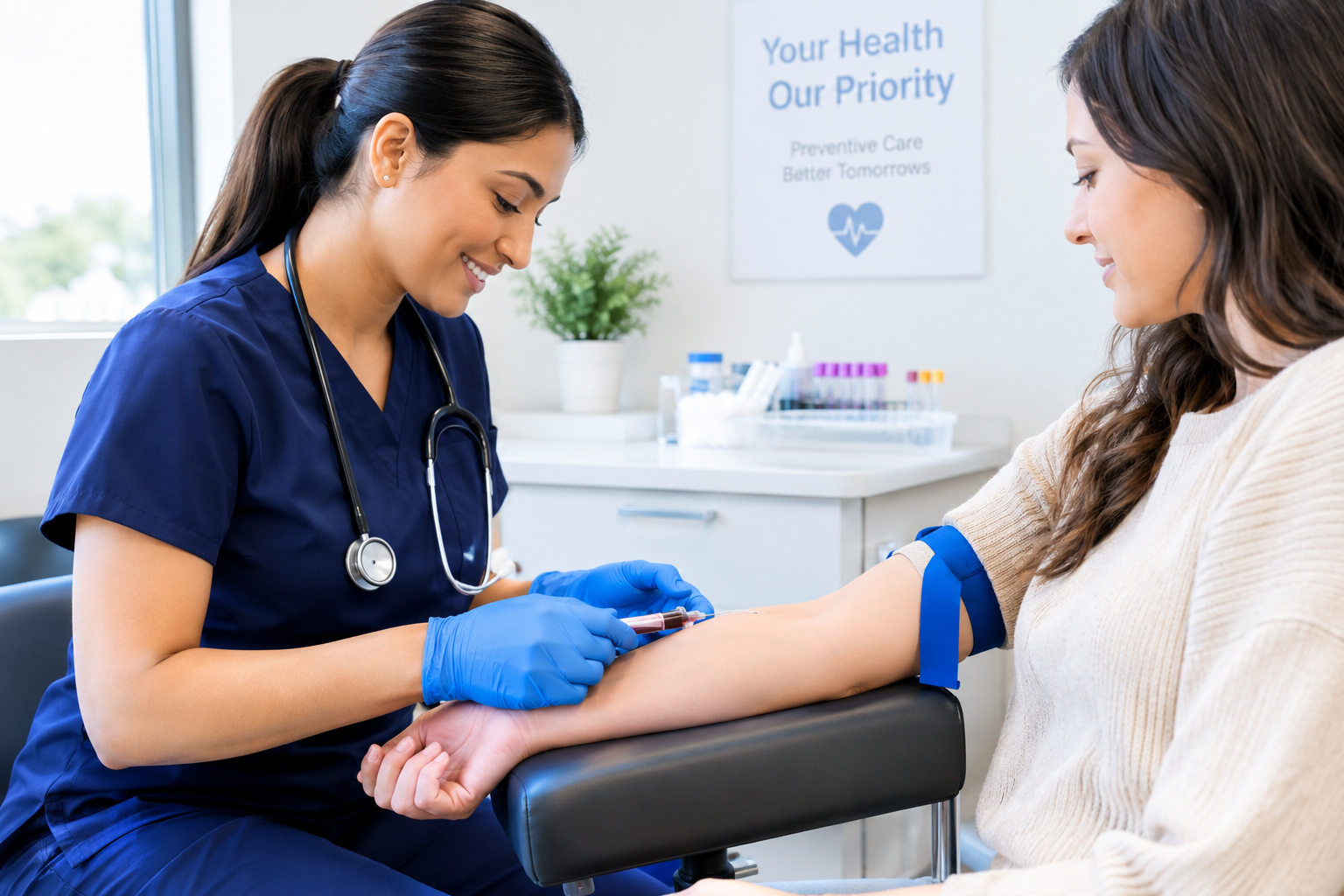
When you track your symptoms (keeping a quick phone note of when brain fog, fatigue, or skin changes happen), you bring real receipts to your doctor. That lets us order targeted tests—like a full iron panel (CBC, ferritin, TIBC), Vitamin B12, or 25-hydroxy Vitamin D—instead of guessing.
Official Screening Guidelines
Knowing official clinical guidelines gives you the ultimate power to advocate for yourself during your checkup:
Metabolic & Diabetes Screenings
The American Diabetes Association (ADA) recommends screening for prediabetes and metabolic health starting at age 35 for all adults—or earlier if you have risk factors like a higher BMI, PCOS, or family history.
Iron & Nutrient Labs
Organizations like the American Gastroenterological Association (AGA) recommend evaluating ferritin and iron saturation levels when dealing with unexplained fatigue, restless leg syndrome, or heavy periods.
Vitamin D & Bone Safety
The Endocrine Society highlights keeping Vitamin D levels between 30 and 50 ng/mL, but warns against unmonitored mega-dosing. Because Vitamin D is fat-soluble, your body stores the extra, which can lead to toxicity and dangerously high calcium levels in your blood.
Breast Health Screenings
The U.S. Preventive Services Task Force (USPSTF) recommends women at average risk start biennial (every 2 years) screening mammograms at age 40. If you have dense breasts or a family history, supplemental imaging like an ultrasound or MRI may be recommended.
Free or Low-Cost Screening Programs Available
Getting the lab work and care you need shouldn’t break the bank:
100% Covered Preventive Care
Under the Affordable Care Act (ACA), most private insurance plans and Medicare cover annual preventive visits, basic diabetes/cholesterol screenings, and screening mammograms with $0 out-of-pocket co-pay.
Community Health Clinics
Local Federally Qualified Health Centers (FQHCs) offer sliding-scale fees for blood panels, nutrient evaluations, and wellness visits based on income.
CDC’s NBCCEDP Program
The National Breast and Cervical Cancer Early Detection Program offers free or low-cost breast cancer screenings and diagnostic services for uninsured or underinsured women.
Direct-Access Lab Options
National labs (like Quest or LabCorp) often offer direct, low-cost self-pay testing options for specific labs like Ferritin, B12, or Vitamin D without extra facility fees.
Key Takeaway
Health literacy is your ultimate superpower. A single "normal" lab number is just one piece of the puzzle, and symptoms like fatigue, skin changes, or brain fog deserve real answers—not a quick self-diagnosis or random supplements.
This Health Literacy Month, take charge of your routine: track your symptoms, know your numbers, and partner with your QuCiL Health™ team to get the full picture!
QuCiL Health™
3107 Elrod Rd, Suite G
Katy, TX 77494

Community Discussion 0
Privacy Notice
Please DO NOT share: Personal health information or contact details.
Comments are moderated to protect patient privacy.
Share Your Thoughts
No comments yet. Be the first to share your thoughts!