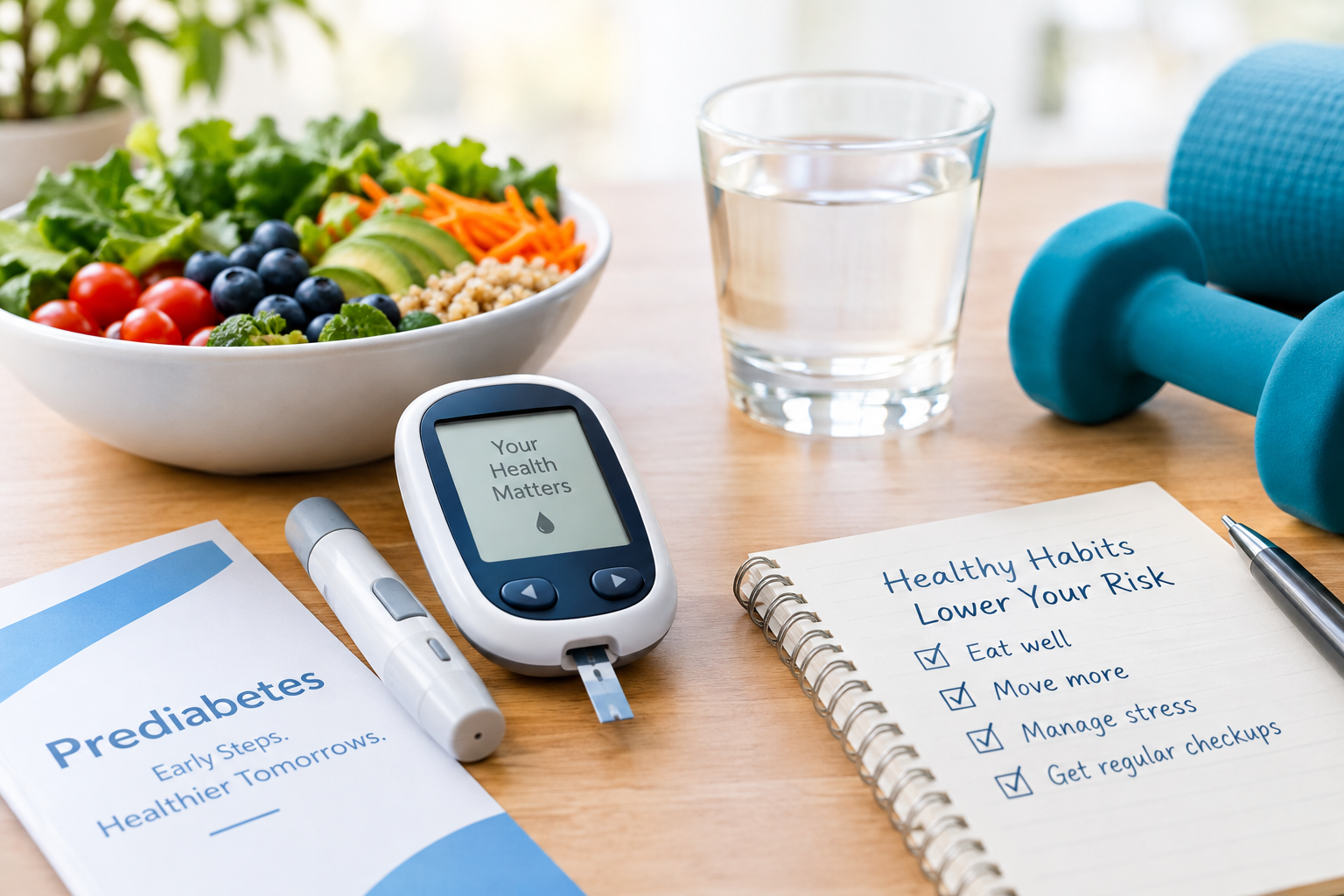
Prediabetes is a common health condition that can develop when blood sugar levels are higher than normal but are not yet in the range used to diagnose type 2 diabetes. It may not cause noticeable symptoms, which is one reason routine health screenings are important.
For people in Katy, TX, understanding prediabetes can be an important part of taking a proactive approach to metabolic and overall health. QuCiL Health™ provides primary and wellness-focused care for adults and can help patients understand their health risks, screening results, and next steps.
What Is Prediabetes?
Prediabetes means blood glucose levels are elevated above the normal range. It does not automatically mean that a person will develop type 2 diabetes, but it can indicate that the body is having difficulty regulating blood sugar effectively.
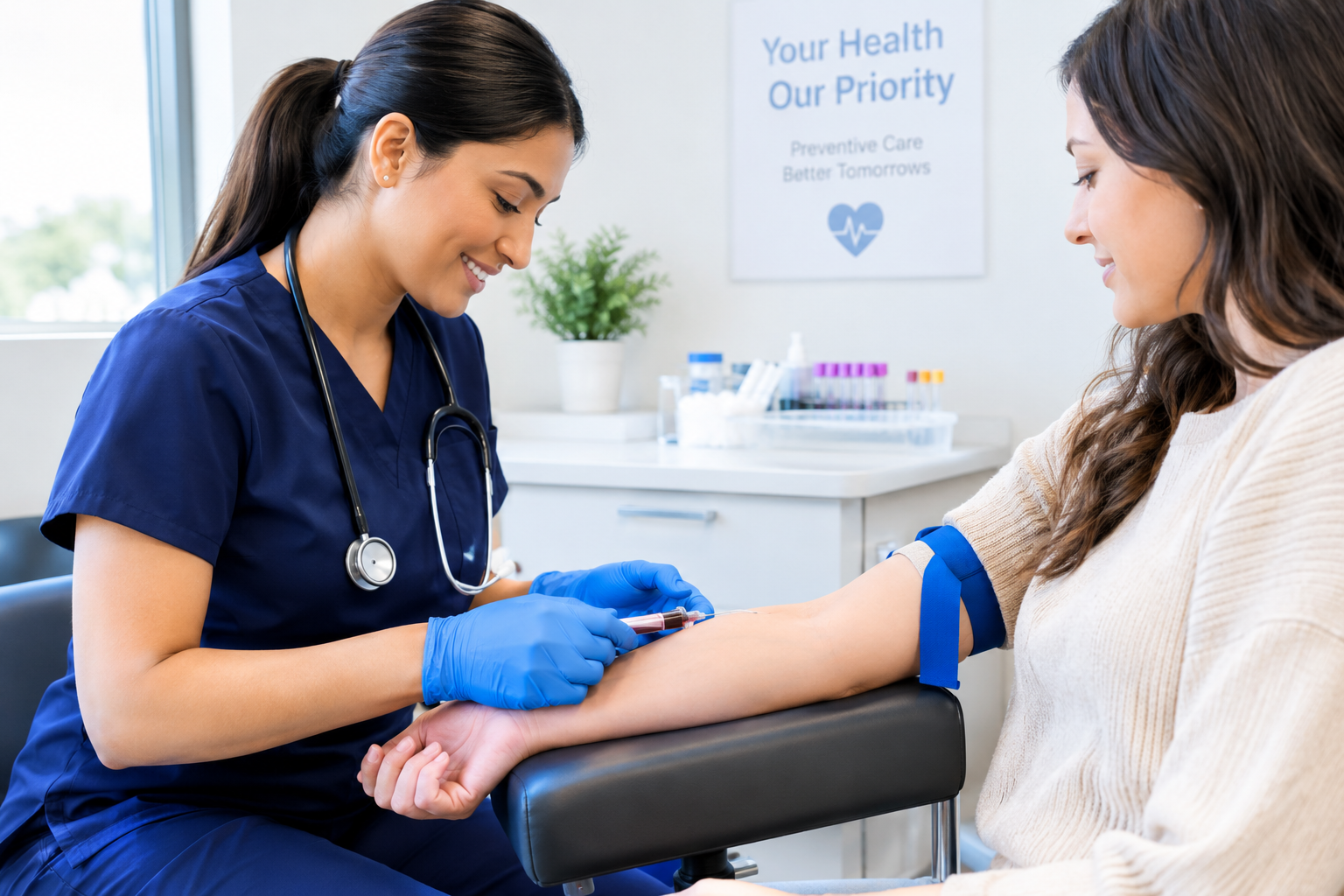
Prediabetes can be identified through blood tests such as an A1C test, fasting blood glucose test, or oral glucose tolerance test. A healthcare professional can determine which test is appropriate based on an individual's health history and risk factors.
Why Is Prediabetes Important?
Prediabetes deserves attention because it can increase the risk of developing type 2 diabetes. It can also occur alongside other metabolic health concerns, including high blood pressure and abnormal cholesterol levels.
The good news is that identifying elevated blood sugar early gives you an opportunity to discuss lifestyle and healthcare strategies with a qualified healthcare professional.
Does Prediabetes Have Symptoms?
Many people with prediabetes do not experience obvious symptoms. This means someone can have elevated blood sugar without realizing it.
Some people may experience symptoms associated with changing blood sugar levels, but symptoms alone cannot determine whether someone has prediabetes. Testing is the appropriate way to evaluate blood glucose levels.
If you have risk factors for prediabetes, ask a healthcare professional whether blood sugar screening is appropriate for you.
Who May Be at Higher Risk for Prediabetes?
Several factors can increase the likelihood of developing prediabetes. These may include:
- A family history of type 2 diabetes
- Being physically inactive
- High blood pressure
- Abnormal cholesterol or triglyceride levels
- A history of elevated blood sugar
- Certain medical conditions or medications
- Increasing age
- A history of gestational diabetes
Having one or more risk factors does not mean that you have prediabetes. A healthcare professional can help determine whether screening is appropriate.
How Is Prediabetes Diagnosed?
Prediabetes is diagnosed through blood glucose testing rather than symptoms alone. Common tests include:
A1C Test
The A1C test provides an estimate of average blood glucose levels over approximately the previous two to three months. It is commonly used to identify prediabetes and diabetes.
Fasting Blood Glucose Test
This test measures blood glucose after a period of fasting. Your healthcare professional will explain how to prepare for the test and how to interpret the result.
Oral Glucose Tolerance Test
This test measures how the body responds to glucose after drinking a glucose-containing solution. It may be used when additional information about blood sugar regulation is needed.
Your healthcare provider can recommend the appropriate testing approach based on your individual circumstances.
Can Prediabetes Be Reversed?
Prediabetes does not always progress to type 2 diabetes. For many people, early recognition creates an opportunity to make health changes that can improve blood sugar control and reduce diabetes risk.
Healthy habits may include becoming more physically active, choosing nutritious foods, getting adequate sleep, managing stress, and following an individualized healthcare plan.
It is important to avoid one-size-fits-all approaches. Your healthcare needs can be different from those of another person, so discuss meaningful changes with your healthcare professional.
How Nutrition Can Support Healthy Blood Sugar
Nutrition is an important part of metabolic health. Rather than focusing on eliminating one particular food, consider building balanced meals that include vegetables, fiber-rich foods, protein sources, and appropriate portions of carbohydrates.
Choosing minimally processed foods more often and paying attention to portion sizes can also support overall nutrition and blood sugar management.
A registered dietitian or healthcare professional can help you develop an eating pattern that fits your health needs, preferences, and lifestyle.
Why Physical Activity Matters
Regular physical activity can support insulin sensitivity, cardiovascular health, energy levels, and overall metabolic wellness.
Activities such as walking, cycling, swimming, strength exercises, or other enjoyable forms of movement can be incorporated into a healthy routine. If you have health conditions or have been inactive for a long time, speak with a healthcare professional about an appropriate activity plan.
Prediabetes and Long-Term Health
Prediabetes is not simply a number on a laboratory report. It can be an opportunity to take a closer look at your overall health.
Regular healthcare visits can help identify changes in blood pressure, cholesterol, blood glucose, and other health indicators. Monitoring these areas can help you and your healthcare provider make informed decisions about your health over time.
When Should You Talk to a Healthcare Professional?
Consider discussing blood sugar screening with a healthcare professional if you have risk factors for prediabetes, have previously had abnormal blood glucose results, or have concerns about your metabolic health.
If you have already been told that you have prediabetes, regular follow-up can help you understand your results and determine appropriate next steps.
Prediabetes Care in Katy, TX
If you are searching for prediabetes care in Katy, TX, QuCiL Health™ can help you take a proactive approach to your health. Located at 3107 Elrod Rd, Suite G, Katy, TX 77494, our healthcare team focuses on personalized adult care and wellness.
Whether you need routine screening, help understanding your blood sugar results, or guidance on improving your overall metabolic health, discussing your concerns with a qualified healthcare professional is an important first step.
Frequently Asked Questions About Prediabetes
Is prediabetes the same as diabetes?
No. Prediabetes means blood glucose levels are above the normal range but below the diagnostic range for diabetes. It is a warning sign that deserves attention, but it does not necessarily mean that you have diabetes.
Can you have prediabetes without symptoms?
Yes. Prediabetes often does not cause noticeable symptoms. Blood testing is therefore important for people who may be at increased risk.
What test checks for prediabetes?
Healthcare professionals commonly use an A1C test, fasting blood glucose test, or oral glucose tolerance test to evaluate blood sugar and identify prediabetes.
Can lifestyle changes help with prediabetes?
Healthy eating, regular physical activity, adequate sleep, and other lifestyle changes may help improve metabolic health and reduce the risk of progressing to type 2 diabetes. Your healthcare provider can help create an approach appropriate for you.
Where can I get prediabetes care in Katy, TX?
QuCiL Health™ is located at 3107 Elrod Rd, Suite G, Katy, TX 77494. Adults in the Katy area can contact the practice to discuss preventive care, blood sugar screening, and personalized wellness needs.
Take Prediabetes Seriously, Without Panic
Prediabetes is a reason to pay attention to your health, not a reason to panic. Because it can occur without obvious symptoms, appropriate screening and regular healthcare can make a meaningful difference in identifying metabolic health concerns early.
If you are concerned about your blood sugar or have risk factors for prediabetes, talk with a healthcare professional about screening and personalized next steps.
QuCiL Health™
3107 Elrod Rd, Suite G
Katy, TX 77494
This article is for general educational purposes and is not a substitute for individualized medical advice, diagnosis, or treatment. Talk with a qualified healthcare professional about your specific health needs.

Community Discussion 0
Privacy Notice
Please DO NOT share: Personal health information or contact details.
Comments are moderated to protect patient privacy.
Share Your Thoughts
No comments yet. Be the first to share your thoughts!