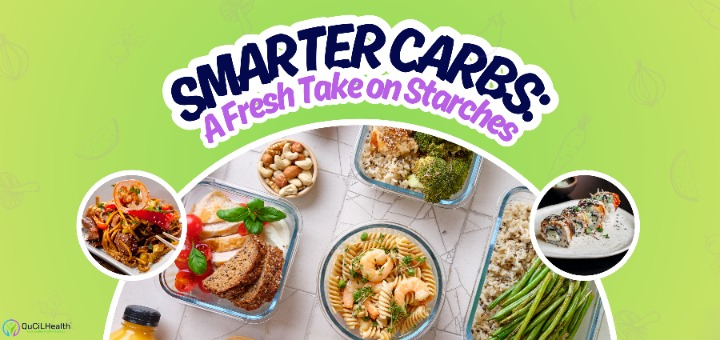
For many people living with diabetes, insulin resistance, or obesity, carbohydrates can feel confusing. Some patients assume they must avoid them completely. Others feel stuck between cultural foods they love and health goals they are trying to reach.
A more helpful approach is often this: not just what you eat, but how you prepare it and what you pair it with.
Understanding Resistant Starch
One reason this matters is something called resistant starch. Resistant starch is a type of starch that escapes digestion in the small intestine and behaves more like fiber, reaching the colon where it can be fermented by gut microbes.
Research suggests resistant starch can modestly improve glycemic control, though the size of the effect varies depending on the food, dose, and the individual.
The Cook-Cool-Reheat Method
One of the most practical ways this appears in everyday life is through the cook-cool-reheat method.
When certain starches are cooked and then cooled, part of the starch reorganizes into a more resistant form through a process called retrogradation.
In commonly cited studies, white rice that was cooked, cooled for 24 hours, and reheated produced a lower glycemic response compared to freshly cooked rice. Additional research also found lower post-meal glucose responses with cooled rice in people with type 1 diabetes.
However, insulin users should remain cautious because lower glucose responses may increase the risk of hypoglycemia if insulin dosing is not adjusted appropriately.
Foods Commonly Used with This Strategy
This approach is most useful when applied to plain starches that have actually been studied, including:
- Rice
- Potatoes
- Oats
- Pasta
It is important to remember that cooling and reheating these foods does not make them carbohydrate-free. These foods still contain carbohydrates and calories, so portion awareness continues to matter.
Balanced Meals Matter
Another practical strategy is pairing carbohydrates with protein and fiber.
Balanced meals that include lean protein, quality carbohydrates, and non-starchy vegetables are often easier for the body to handle compared to carbohydrates eaten alone.
In real life, this means starches may work better metabolically when they are part of a complete, balanced meal.
Helpful Meal Examples
- Rice with fish and vegetables
- Oats with greek yogurt, chia, and berries
- Potatoes with eggs and sauteed vegetables
- Pasta with grilled chicken and a fiber-rich salad
Why This Matters for Diabetes and Weight Management
Balanced meals may improve fullness, reduce overeating, and make carbohydrate choices feel more realistic instead of restrictive.
Sustainable nutrition habits are often more effective than extreme dietary rules. Many people find greater success when nutrition strategies fit naturally into their lifestyle and culture.
Culturally Inclusive Nutrition
Many communities around the world rely on staple starches as part of everyday meals. Health education works better when people are taught how to prepare familiar foods more thoughtfully instead of feeling pressured to abandon cultural eating patterns.
Individualized nutrition plans that respect preferences, culture, and lifestyle are often easier to maintain long term.
Practical Takeaway
You do not always need to fear carbohydrates. Sometimes the smarter strategy is to cook them, cool them, reheat them, pair them with protein and fiber, and keep portions balanced.
That is not a gimmick. It is simply a more thoughtful way to approach starches.
Supporting Long-Term Metabolic Health
At QuCiL Health™, we help patients build realistic, culturally respectful strategies that support better glucose control, weight goals, and long-term metabolic health.
Visit Us:
406 Summerset LN,
Brookshire, Texas 77423


Community Discussion 0
Privacy Notice
Please DO NOT share: Personal health information or contact details.
Comments are moderated to protect patient privacy.
Share Your Thoughts
No comments yet. Be the first to share your thoughts!